 montana.org - Welcome Glastonbury Property Owners
This website is an independent and interactive information resource and service provider for Glastonbury landowners.
We are not affiliated with any Glastonbury governing body - Updated
Wednesday, August 19, 2026
Thinking of moving to Glastonbury?
Welcome to Our Neighborhood
The Place Everyone Loves To Visit

Our community is renowned for its charm and appeal, drawing visitors from near and far. Its unique history, vibrant atmosphere, and scenic beauty make it a destination that people love to explore and experience.
Glastonbury is situated in Paradise Valley and adjacent to the foothills of the Rocky Mountains of southwestern Montana in the southern half of Park County. It is approximately twenty-five (25) miles south of Livingston and thirty (30) miles north of Yellowstone National Park - the crown jewel of America's national parks. The Yellowstone River meanders through the center of the valley, providing a serene foreground to the dramatic backdrop of the Absaroka Mountain Range to the east and the Gallatin Mountain Range to the west.
Early History
In the early 1820s, fur trappers began arriving in the region, drawn by the abundance of beaver. At this time, the area was part of the traditional homelands of the Shoshone and Crow peoples. These trappers ventured into the wilderness, establishing a presence that would eventually pave the way for further exploration and settlement.
In the 1860s, Park County witnessed the arrival of its first groups of permanent settlers. These pioneers were drawn to the region by the promise of gold and began prospecting in search of fortune. Alongside mining activities, timber was harvested from the area's forests, providing essential materials for the construction of railroads and buildings. The abundance of coal in the region was also a significant resource, as it was converted to coke to fuel the copper smelters in Butte.
The valley grasslands played a vital role in shaping the local economy, providing fertile land that was ideal for cattle ranching and grain farming. Ranchers utilized the wide-open spaces for grazing livestock, while farmers cultivated crops suited to the region's climate and soil. These agricultural pursuits formed the backbone of early settlement activity and contributed to the growth and sustainability of the surrounding communities.

The Northern Pacific Railroad ran a spur from Livingston down to Yellowstone National Park, finishing the line in 1902. The line ended its passenger service in 1948.
Glastonbury Political History
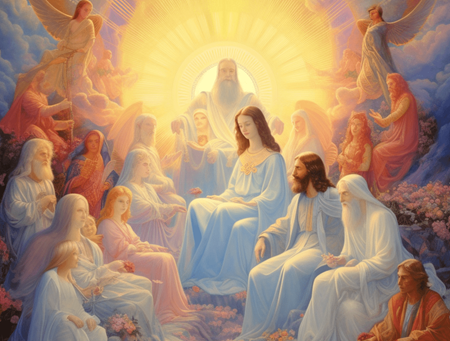
In 1982, Church Universal and Triumphant (CUT) created the enclave of Glastonbury by purchasing and subdividing two ranches in the center of Paradise Valley. Glastonbury was created as a spiritual community for chelas of the Ascended Masters, where pious residents would finally complete their interplanetary and sometimes, intergalactic journey of countless reincarnations. Upon their inevitable death in Glastonbury, they would ascend from the hillsides to sit on thrones next to Jesus, Buddha, Confucious or other Ascended Masters.
The new community was ruled with authoritarian covenants that sharply restricted personal behavior and land ownership. Only CUT members were allowed to lease land, and they could be evicted without cause on short notice. In 1993 Park County settled a lawsuit with CUT that pried open the door to individual land ownership by non-believers. CUT subsequently fought a difficult battle to open Glastonbury to non-church members. Most of their disciples bitterly opposed bringing non-believers into their Holy Land.
In 1997, the management of Glastonbury was transferred to a new non-profit corporation called the Glastonbury Landowners Association (GLA). New Covenants were approved but not before CUT removed hundreds of acres of their undeveloped land from the legal jurisdiction of the GLA. That allowed them to evade annual assessments and develop the parcels without GLA oversight in perpetuity. The remaining parcels were opened to non-believers and private ownership.
Political power via the GLA Board of Directors remained with the original settlers or "old timers." Over the years, newly arrived CUT devotees replaced positions firmly held by old timers in Glastonbury and on the GLA Board. Accepting the "mantle" of community leadership is often viewed as a requirement for one's ascension into heavenly realms. Best estimates hold that CUT followers comprise about 35% of the electorate. But their voter turnout hovers around 60% of ballots cast. The 2025 GLA Board was the first in Glastonbury history to hold a majority of true non-believers. They passed many reform measures and placed the board on a trajectory to serve all landowners equally and according to established written laws. They were bitterly opposed by the fervent faithful, reviled at every turn, and deposed at the 2025 Annual GLA Election.
You may explore Glastonbury's colorful history via newspapaer articles and stories
archived on the Glastonbury Community Forum.
Today, many people from around the world move to Glastonbury so they can join the CUT faithful. CUT World Headquarters is in Corwin Springs, a short 15-minute drive away.
A Playground For The Wealthy
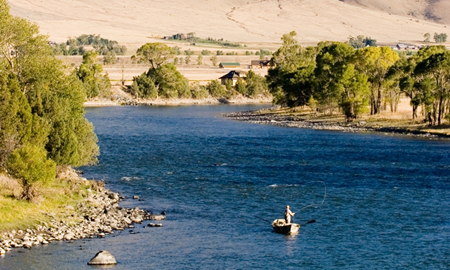
Paradise Valley is a playground for billionaires and millionaires. Tourist services, world renown dude ranches, fly fishing, horseback riding, and overnight accommodations frequently cost thousands of dollars per day. Short-term housing rentals are a huge business in Glastonbury and involve 40 to 50% of the housing stock. Prices range from hundreds per night to over ten thousand per week. Many people own million-dollar second homes here and spend just eight weeks a year visiting them. A minority of the community lives here year-round. Most are old and well past the age of retirement. Children and young people are very few.
Climate
The weather is spectacular in July and August. Dry, warm, and rarely hot. Sunny every day with invigorating cool nights. The air in July is fresh and pure. In August, forest fires near and far often foul the air and contribute to breathing issues. In 2006, the Big Creek Forest Fire destroyed a number of homes in High South Glastonbury, while threatening the rest of the residential community.
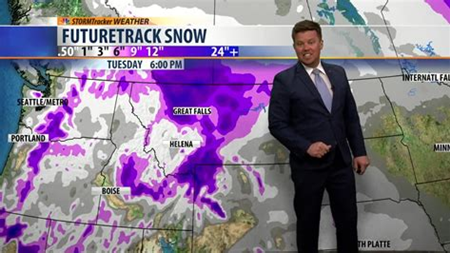
Winters are long, cloudy, windy, and frequently bone-chilling cold. Temperatures can easily drop to -20 Fahrenheit and lower. If you live here for more than a few years, you will see snowfall every month. Almost every year, someone gets stuck with their car and risks freezing to death from the bitter cold. Winter averages six to seven months. Depression, drug and alcohol addictions, and suicide are serious social problems.
GLA Annual Assessments

GLA Annual assessments are a bargain! For most landowners with a home, they average a little over $1.35 a day. They have barely kept up with inflation since 1997. Why? Many old timers depend upon Social Security and government benefits to survive. A large number of landowners use Glastonbury as a base for their vacation rental houses and wish to keep expenses as low as possible. Others do not visit during the winter and are not concerned if their road is plowed. The relatively few people who live here year-round and depend upon good roads are in the minority.
The political discourse regarding roads is often heated and bitter. It would cost millions to bring Glastonbury roads up to Park County standards. Most landowners want better roads, but few are willing to bear substantial assessment increases or sell GLA-owned vacant common lands to finance road improvement.
Glastonbury Roads
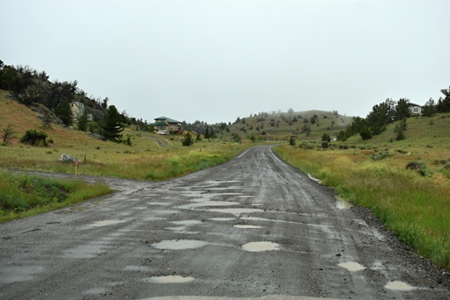
Glastonbury has 20+ miles of roads, but only 18 miles are snowplowed by the GLA. Far fewer miles are routinely graded and maintained. About 90% of the roads lack a proper base and do not meet the GLA's Road and Driveway Standards. Road grading and maintenance are very expensive, and GLA assessments are exceptionally low. Every year, the traffic increases and the roads deteriorate a little more. The roads to homes in High South and North are steep, narrow, and especially treacherous in the winter. Cliffs abut the one-and-a-half-lane dirt roads, and guardrails are almost non-existent. Passing oncoming vehicles is difficult or impossible. Backing up and pulling over is usually required. Snow, ice, and darkness magnify the dangerous road conditions.
Accidents happen, but some can be prevented. In 2025, a motorcyclist died from injuries sustained at a GLA-owned road intersection that lacked a simple STOP sign.
To better understand the GLA Road system, download a comprehensive analysis report of Glastonbury's platted roads. Learn what they are and how they came into being.
Recreation
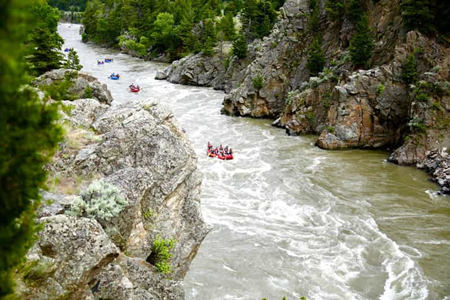
This area of Montana is a recreation paradise. It is world-famous for its trout fishing, big game hunting, and wildlife viewing. The Yellowstone River offers diversified rafting experiences from the rapids of Yankee Jim Canyon, north of Gardiner, to a sedate float through the center of Paradise Valley. The nearby Forest Service lands and Yellowstone National Park offer many opportunities for hiking, camping, and cross-country skiing. Bridger Bowl in Bozeman, the Big Sky Resort in Big Sky, and recently opened Moonlight Basin are nearby downhill world-class ski meccas. Historic Chico Hot Springs Resort, at the base of Emigrant Mountain, approximately five (5) miles east of Emigrant, offers a nice soak in the hot pool or a regular swimming pool with warm, mineral-laden water piped in from a natural underground hot spring. Also, in the area, there is the Mountain Sky Guest Ranch and numerous bed and breakfast accommodations.
Government

The Glastonbury Landowners Association's 12-member, staggered and rotating, all-volunteer Board of Directors is responsible for maintaining roads, collecting assessments, overseeing and regulating construction activity, and holding annual elections. Generally, six new members are elected every year in November. Elections are often contentious and bitterly fought. One side represents the past and sees the GLA Board as an extension of CUT and the Ascended Masters. The other side, which makes up about 65% of the electorate, views the GLA as a business and believes in written laws that apply equally to all landowners. Many landowners, often 50 to 70%, do not bother to vote. Thus, the voices of the fervent few are amplified, and board makeup only represents those who cast ballots. Some directors have won two-year terms by earning just one vote. Several have won seats by garnering fewer than ten votes. Serving on the board is an arduous task and requires at least ten (10) hours a week from each director if all are working. Generally, a handful of GLA Directors do ninety percent (90%) of the work. It is a full-time job for them, and burnout is common.

Was this page helpful?
|
Search our site |
The opinions and ideas expressed on this site are presented for community discussion and involvement. They may or may not align with the views of the current, ever-changing GLA Board.
By using this website you are agreeing to our Terms of Use.
Copyright © 2025-2026 Brockett Designs All rights reserved
Template courtesy of W3layouts. Built by Tim Brockett (Brockett Designs) with assistance from Claudette Dirkers.
This site is not affiliated with the Glastonbury Landowner's Association